The Rise of Authentic Storytelling

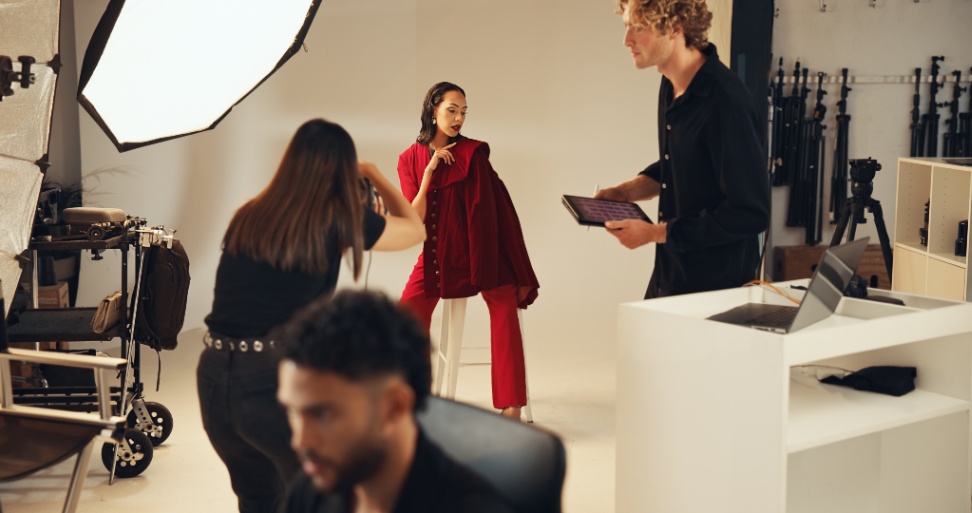
Editorial photography in 2026 focuses heavily on authenticity. Publications and brands increasingly seek imagery that reflects real experiences and genuine emotions. Audiences respond more positively to visuals that feel relatable and human.

Cinematic Visual Styles

Cinematic photography continues to gain popularity in editorial work. Inspired by film production techniques, photographers create dramatic compositions with rich color grading and atmospheric lighting. This style helps images stand out in competitive media environments.

Minimalism in Editorial Design

Clean and uncluttered visuals are becoming increasingly important. Minimalist photography allows viewers to focus on key subjects without unnecessary distractions. This approach aligns well with modern design trends and digital publishing.

Diverse Representation

Editorial projects are embracing greater diversity and inclusivity. Photographers are highlighting a broader range of cultures, identities, and perspectives. This shift creates more authentic visual narratives that resonate with global audiences.

AI-Assisted Creative Workflows

Artificial intelligence is influencing photography workflows through editing assistance and content organization. While AI enhances efficiency, creative vision and storytelling remain essential human-driven elements within editorial photography.

Social Media Influence

Digital platforms continue to shape editorial aesthetics. Vertical compositions, dynamic storytelling formats, and audience engagement strategies influence how photographers create content for publications and brands.

The Future of Editorial Imagery

As technology and audience expectations evolve, editorial photography will continue adapting. Successful photographers will combine technical expertise, creativity, and authentic storytelling to remain relevant in the changing visual landscape.

Related Post